Residents · Visitors · Businesses

Tourism awareness in uMhlathuze

Why visitors matter here, how residents can be good hosts, how to travel safely and responsibly, and how a small business can join the tourism economy.

Photograph: Alkantstrand Beach, by Svwmal, CC BY-SA 4.0, via Wikimedia Commons.

Why it matters


Tourism is local work, local pride and local spend

When visitors stay in a guesthouse in Meerensee, book a day tour to Hluhluwe-iMfolozi, eat at a grill in KwaDlangezwa, or buy a craft piece in Empangeni, that spend supports jobs in accommodation, transport, food, guiding and retail. It also gives residents a reason to look after beaches, reserves and heritage sites — the same places families use on weekends.

National and provincial government treat tourism as a growth sector. We have not invented arrival figures or job numbers for uMhlathuze; official statistics should be taken from Statistics South Africa, the Department of Tourism, SA Tourism or the City when they are published.

uCTO’s role is practical: market the City of uMhlathuze as a destination, and support the people and businesses who host visitors. That only works if the wider community — residents, municipalities, schools and enterprises — sees tourism as something we do together.

Good hosts


How residents can welcome visitors

Share the place you know

Accurate directions, a honest warning about weather or roadworks, and a recommendation of a local member business are more useful than a vague “it’s nice there”. If you are unsure, say so and point people to uCTO or the municipal tourism pages.

Be a neighbour, not a salesperson

Greet people, be patient with questions, and respect that some visitors are here for work at the port or the plants, not only for holiday photographs. Pride in Empangeni, Esikhaleni, Meerensee or the CBD is part of the welcome.

Look after the setting

Keep beaches, the pier, picnic sites and streets clean. A community clean-up at Pelican Island in March 2025, reported by the Zululand Observer (18 March 2025), is a local example of residents caring for a visitor and wildlife place.

Help if someone is stuck

If a visitor is lost or in trouble, help them contact their host, or emergency services (see safety, below). Do not leave people without a clear next step.

Visitor safety


Travel tips from the Department of Tourism

The following points are drawn from the South African Department of Tourism’s published Safety and Travel Tips (www.tourism.gov.za). They are general national guidance, not a substitute for local advice on the day.

  • Use certified tourist guides where a guide is required or wise, and book accommodation and tours with reputable, preferably graded or member businesses.
  • South Africa drives on the left. Wear a seatbelt. Keep to speed limits and be cautious at night, on rural roads and in wildlife areas.
  • Swim only in designated areas and follow local beach or lifeguard advice. Carry drinking water, a hat and sunscreen.
  • Keep valuables, travel documents and bank cards safe and out of sight. Use hotel safes where provided. Avoid displaying expensive equipment unnecessarily.
  • Emergency numbers: SAPS 10111; from a mobile phone you can also dial 112; ambulance 10177.
  • Tourism complaints: 012 444 6000 or complaints@tourism.gov.za, as published by the Department of Tourism.

Source: Department of Tourism, Safety and Travel Tips.

Responsible tourism


Look after the environment and spend local

South Africa has a National Minimum Standard for Responsible Tourism (SANS 1162) and a Responsible Tourism Manual published through the Department of Tourism. In practical terms, in uMhlathuze that means:

  • Stay on marked paths in Enseleni, Ongoye and the big parks. Do not disturb or feed wildlife. Take litter home.
  • Use water and electricity with care, especially in guesthouses and lodges.
  • Pay a fair price and spend with local businesses — members in this directory, township and town-centre restaurants, craft producers and registered guides.
  • Ask before photographing people, ceremonies or private homes, and follow park and cultural-site rules.
  • Choose operators who can show how they look after staff, communities and the places they visit.

Sources: Department of Tourism responsible-tourism resources and SANS 1162 (see tkp.tourism.gov.za and tourism.gov.za).

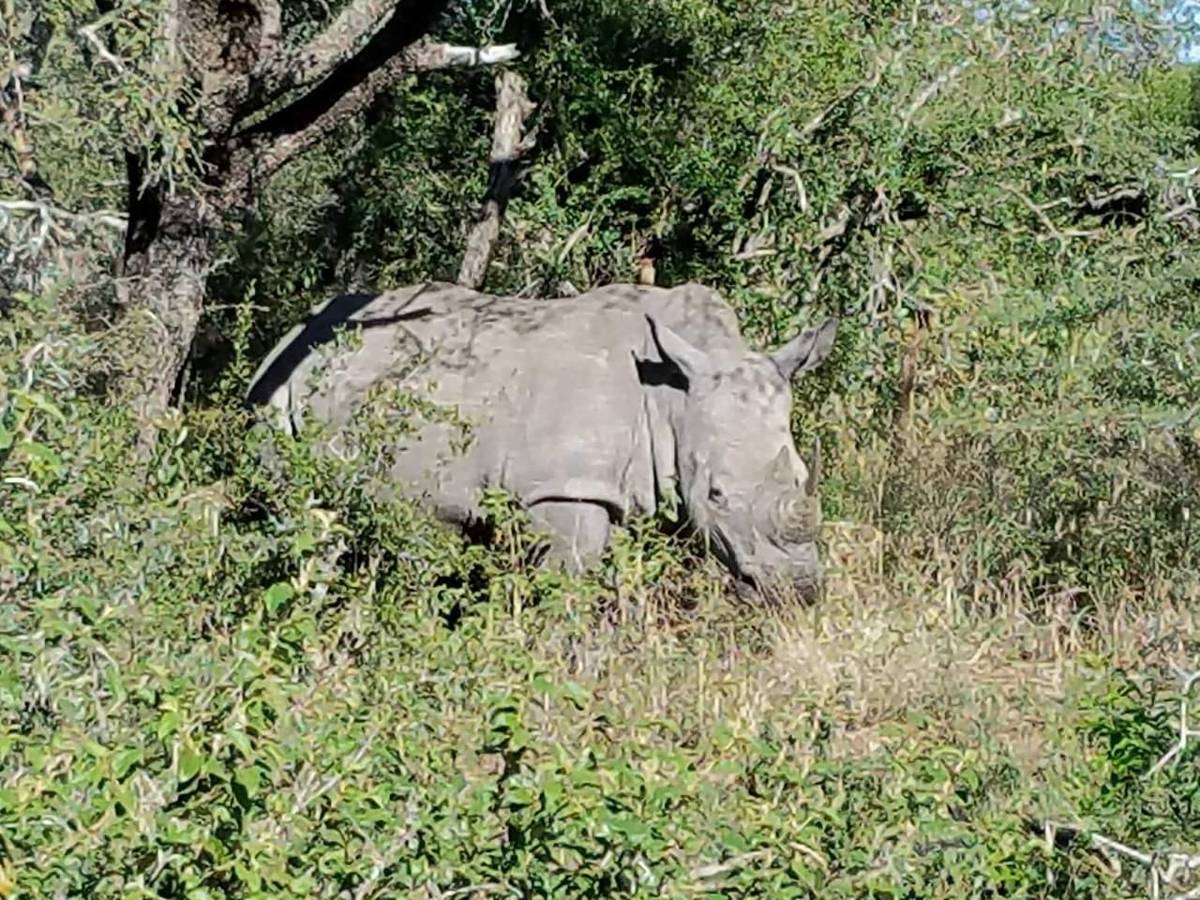
Southern white rhino in Hluhluwe-iMfolozi Park

Tourism Month and Sho’t Left


September is Tourism Month — and Sho’t Left is the official domestic campaign

Tourism Month is observed in South Africa every September. World Tourism Day falls on 27 September. The Department of Tourism announced the 2026 theme as “Growing South Africa’s Tourism Sector in the Digital Era”.

Sho’t Left is South African Tourism’s official domestic tourism campaign (the name comes from the minibus-taxi instruction to jump off a short way along the route). The campaign invites South Africans to travel in their own country. For Tourism Month 2026, SA Tourism scheduled Travel Week from 7 to 13 September as part of The Great South African Travel Sale — always check shotleft.co.za for current offers and dates.

Photo: Southern white rhino at Hluhluwe–iMfolozi Park, N2e, CC BY-SA 4.0, Wikimedia Commons. Facts: tourism.gov.za; SA Tourism / shotleft.co.za.

For small businesses


How to join the tourism economy

1. Grade with the TGCSA

The Tourism Grading Council of South Africa (TGCSA) is the officially recognised quality-assurance body for tourism accommodation and selected facilities. Operators apply at tourismgrading.co.za. Grading is typically renewed each year. A star grading is not the same thing as a municipal business licence, and it is not automatic on joining uCTO.

2. Register in KwaZulu-Natal

KZN tourism businesses whose primary purpose is to provide tourist services are required to register with the provincial Department of Economic Development, Tourism and Environmental Affairs (EDTEA). Provincial guidelines also refer to membership of a Community Tourism Organisation or publicity association. Use the current EDTEA registration guides rather than informal advice.

3. Join uCTO

Membership of the local Community Tourism Organisation connects a business to destination marketing, the public directory, and a network of fellow operators. See Join uCTO for benefits and an interest form. The membership fee published on the current website is R500 per year for one listing — proposed, and to be confirmed by the Board.

4. Trade legally and honestly

Keep municipal business licences, tax registration and insurance in order. Only advertise experiences you can actually deliver. uCTO can point you toward partners; it cannot replace legal or financial advice.